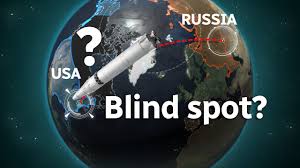

Here are the key facts and deductions from the video “Why North America is preparing for an Arctic battle”:
Key Facts:
- Climate Change & Arctic Ice Melt:
- The Arctic is warming nearly four times faster than the rest of the planet.
- Melting ice is opening new shipping routes that could significantly shorten global trade routes.
- This also exposes new resource deposits, including oil, gas, and minerals.
- Geopolitical Competition in the Arctic:
- The U.S., Canada, and NATO allies are concerned about Russian and Chinese interests in the Arctic.
- Russia has the largest Arctic military presence, with icebreakers, military bases, and radar systems.
- China is expanding its economic and research activities, calling itself a “near-Arctic state.”
- U.S. and Canada’s Defense Response:
- The North American Aerospace Defense Command (NORAD) is upgrading its radar systems to monitor Arctic airspace better.
- The U.S. and Canada are investing in new Arctic military bases, infrastructure, and icebreakers.
- Canada recently announced a modernization plan for Arctic defense, including the purchase of new fighter jets and surveillance technology.
- The U.S. military is increasing Arctic training exercises to prepare for potential conflicts.
- Strategic Importance of the Arctic:
- The Arctic holds an estimated 13% of the world’s undiscovered oil and 30% of its natural gas reserves.
- The Northwest Passage and other Arctic sea routes could cut shipping times between Asia, Europe, and North America.
- This makes control over these waters a strategic and economic priority for world powers.
Key Deductions:
- Risk of Military Tensions:
- Increased military activity by Russia, China, and NATO raises the risk of tensions and misunderstandings in the Arctic.
- The U.S. and Canada are reacting late compared to Russia’s decades-long Arctic military buildup.
- Canada’s Arctic Vulnerabilities:
- Canada has a vast Arctic region but limited military capabilities to defend it.
- Surveillance gaps in the Arctic mean potential security threats could go undetected.
- China’s Long-Term Arctic Ambitions:
- China’s economic presence, infrastructure projects, and research stations in the Arctic suggest a long-term strategic interest, possibly extending to military activities.
- Environmental vs. Military Focus Conflict:
- While many Arctic nations emphasize cooperation on climate and Indigenous rights, military concerns are now overtaking diplomatic efforts.