

“Bulletproof Problem Solving: The One Skill That Changes Everything” by Charles Conn and Robert McLean offers a comprehensive framework for tackling complex problems effectively. Here are the key takeaways from the book:
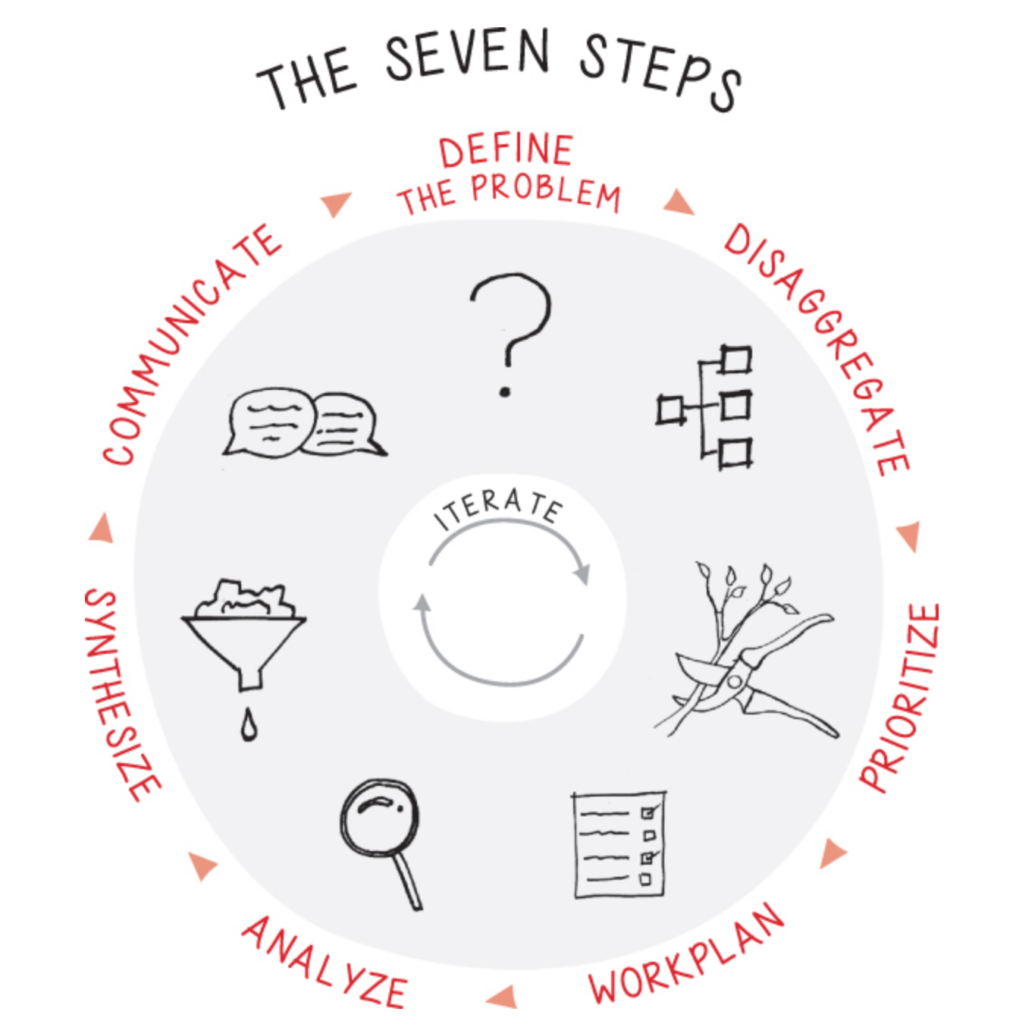
- Seven-Step Problem-Solving Process: The book outlines a seven-step process for solving problems systematically:
- Define the Problem: Clearly articulate the problem to ensure a precise understanding of the issue at hand.
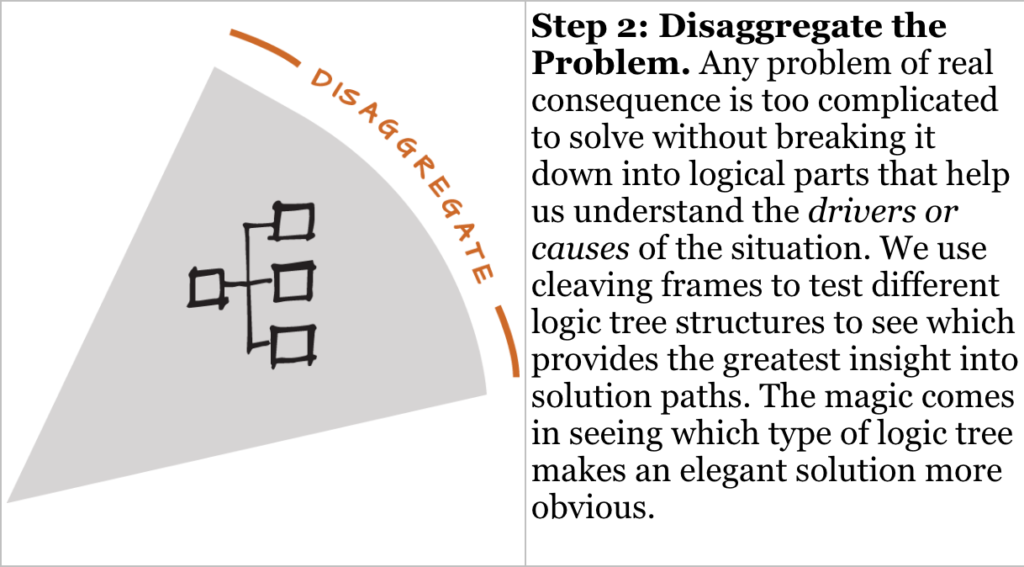
- Disaggregate the Problem: Break the problem down into smaller, manageable parts to understand its components better.
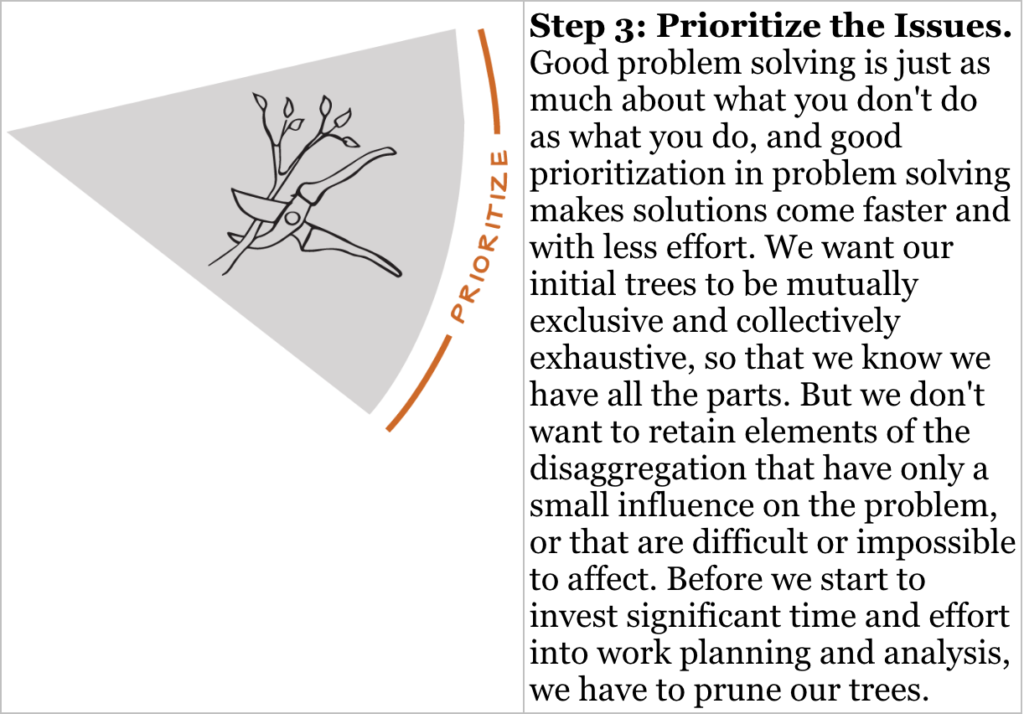
- Prioritize Issues: Identify the most critical aspects of the problem to focus on what will have the most significant impact.
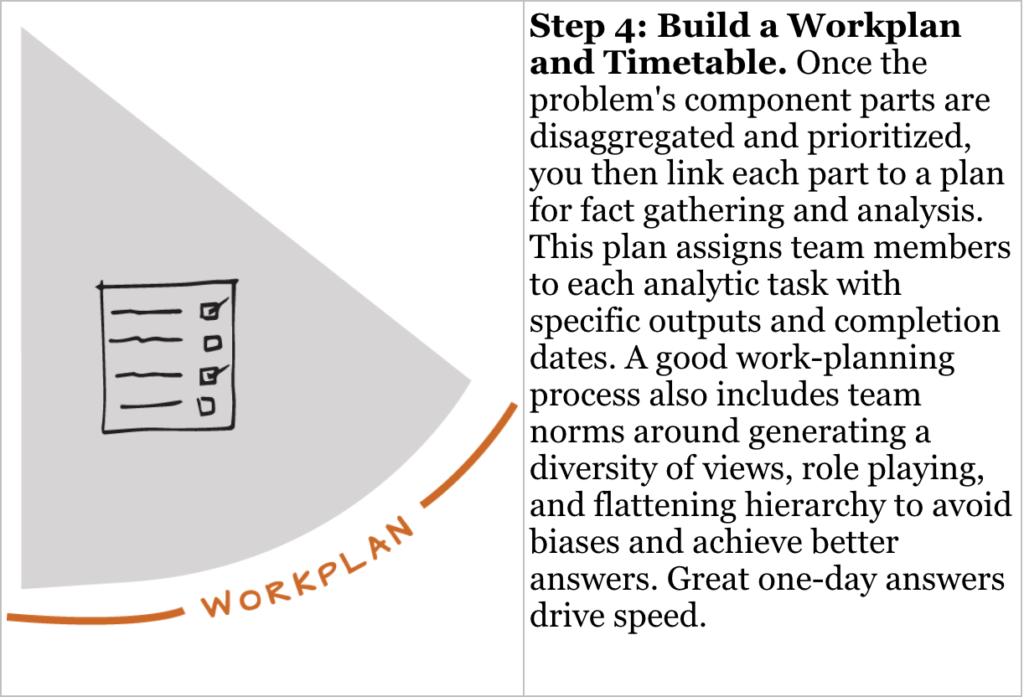
- Develop a Work Plan: Create a structured plan outlining the steps and resources needed to tackle the prioritized issues.
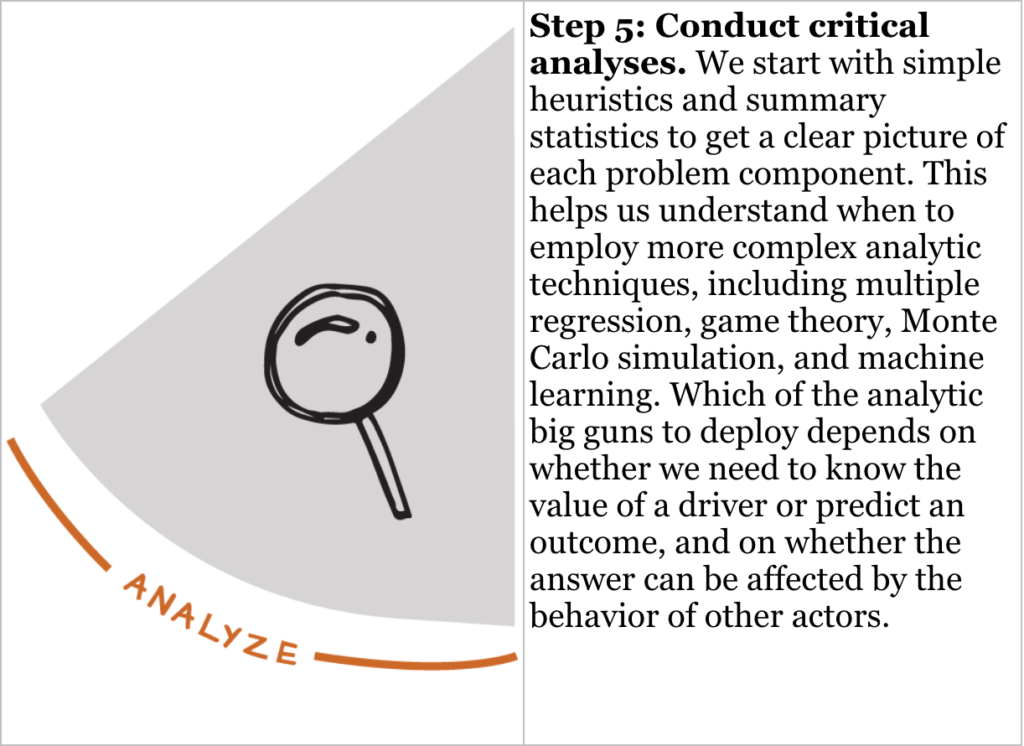
- Conduct Analyses: Perform thorough and rigorous analyses to gather data and insights that inform the problem-solving process.
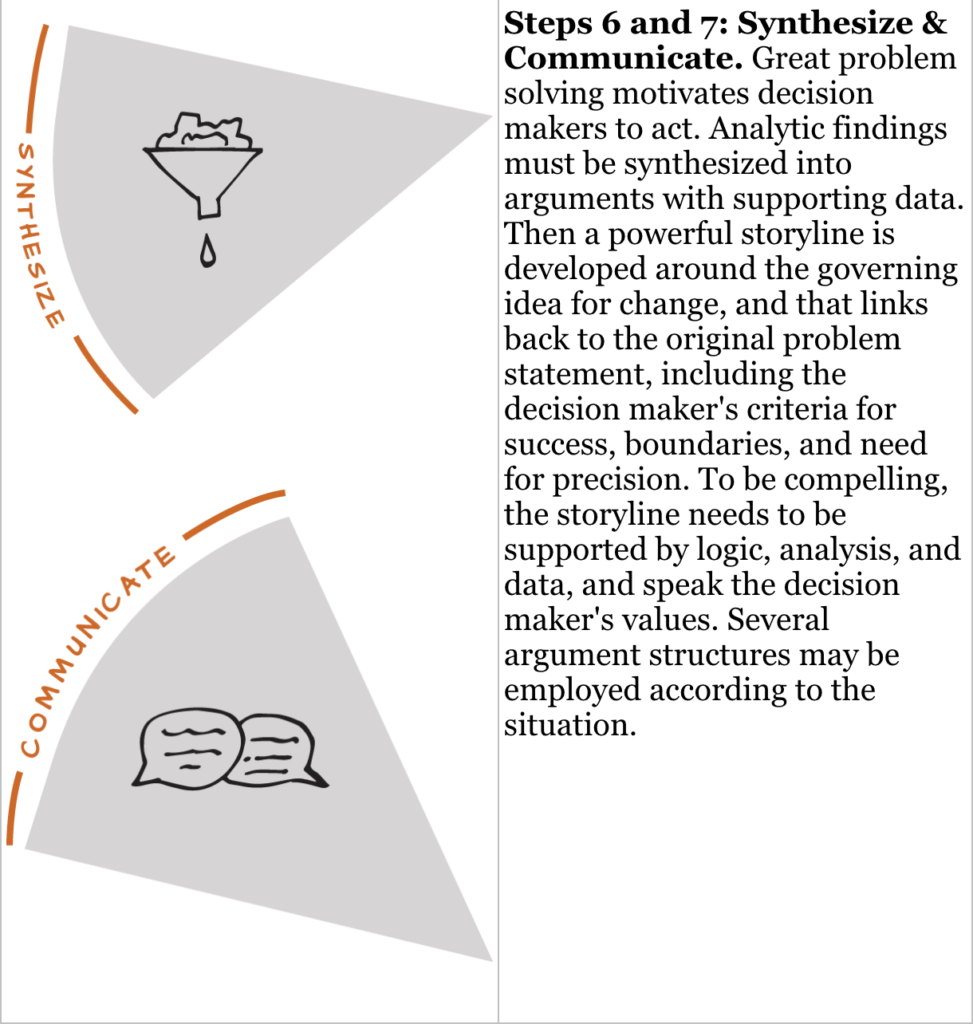
- Synthesize Findings: Combine the insights and data collected to develop actionable recommendations and solutions.
- Communicate Solutions: Present the findings and recommendations clearly and persuasively to stakeholders.
- Problem Definition: A well-defined problem is half-solved. The book emphasizes the importance of spending time on accurately defining the problem to avoid misdirection and wasted effort.
- Structured Thinking: Adopting a structured approach to problem-solving helps in breaking down complexity and addressing each component methodically. This involves logical reasoning, prioritization, and step-by-step analysis.
- Critical and Creative Thinking: Effective problem-solving requires a balance of critical thinking (rigorous analysis and logic) and creative thinking (innovation and out-of-the-box solutions). The book encourages combining these two approaches for comprehensive solutions.
- Data-Driven Analysis: Relying on data and empirical evidence is crucial for making informed decisions. The authors stress the importance of collecting relevant data, using analytical tools, and validating assumptions through evidence.
- Collaboration and Teamwork: Problem-solving is often a collaborative effort. The book highlights the benefits of diverse perspectives and teamwork, encouraging the inclusion of various viewpoints and expertise in the process.
- Iterative Process: Problem-solving is iterative. Solutions should be tested, refined, and improved continuously based on feedback and new information. This iterative approach ensures that solutions are robust and adaptable.
- Effective Communication: Presenting solutions clearly and persuasively is critical. The book advises on how to communicate complex ideas effectively to different stakeholders, ensuring that the recommendations are understood and accepted.
- Application Across Contexts: The problem-solving framework presented in the book is versatile and can be applied to a wide range of contexts, from business challenges to personal decisions, making it a valuable skill in various domains.
- Real-World Examples: The authors provide numerous case studies and real-world examples to illustrate the application of their problem-solving framework. These examples help to contextualize the steps and demonstrate their practical utility.
Overall, “Bulletproof Problem Solving” provides a structured and practical approach to tackling complex problems. By following the seven-step process and embracing a balance of analytical and creative thinking, individuals and organizations can enhance their problem-solving capabilities and achieve better outcomes.
Here is a brief description of the chapters in “Bulletproof Problem Solving: The One Skill That Changes Everything” by Charles Conn and Robert McLean:
- Introduction: The Power of Problem Solving
- The introduction sets the stage for the importance of problem-solving as a critical skill in various aspects of life and work. It introduces the seven-step problem-solving process and explains why a structured approach is necessary.
- Chapter 1: Define the Problem
- This chapter focuses on the first step of the process: defining the problem. It explains how to articulate the problem clearly and accurately, ensuring that the problem statement captures the essence of the issue and guides the problem-solving effort.
- Chapter 2: Disaggregate the Problem
- Here, the authors discuss breaking down the problem into smaller, more manageable parts. This disaggregation helps to identify the different components of the problem and facilitates a more thorough analysis.
- Chapter 3: Prioritize Issues
- This chapter covers the importance of prioritizing the issues identified in the disaggregation step. It provides techniques for determining which aspects of the problem are most critical and should be addressed first.
- Chapter 4: Develop a Work Plan
- The authors explain how to create a detailed work plan that outlines the steps needed to address the prioritized issues. This includes defining tasks, allocating resources, and setting timelines to ensure a structured approach to problem-solving.
- Chapter 5: Conduct Analyses
- This chapter delves into the various methods and tools for conducting thorough analyses. It emphasizes the importance of data-driven decision-making and provides guidance on how to gather and analyze relevant data effectively.
- Chapter 6: Synthesize Findings
- The synthesis of findings involves combining insights from the analyses to develop actionable recommendations. This chapter explains how to integrate different pieces of information to form a coherent solution.
- Chapter 7: Communicate Solutions
- Effective communication is critical to the implementation of solutions. This chapter provides strategies for presenting findings and recommendations clearly and persuasively to stakeholders, ensuring that solutions are understood and accepted.
- Chapter 8: Problem Solving in Action
- The authors illustrate the application of the seven-step problem-solving process through various real-world case studies and examples. This chapter demonstrates how the framework can be used in different contexts and industries.
- Chapter 9: Building a Problem-Solving Culture
- This chapter discusses how organizations can foster a culture that values and supports effective problem-solving. It covers the importance of leadership, collaboration, and continuous improvement in developing problem-solving capabilities.
- Conclusion: The Journey to Mastery
- The conclusion reflects on the ongoing journey of mastering problem-solving skills. It emphasizes that becoming an effective problem solver is a continuous process of learning, practice, and refinement.
Throughout the book, Conn and McLean provide practical insights, tools, and techniques that can be applied to a wide range of problems, making it a valuable resource for anyone looking to enhance their problem-solving abilities.