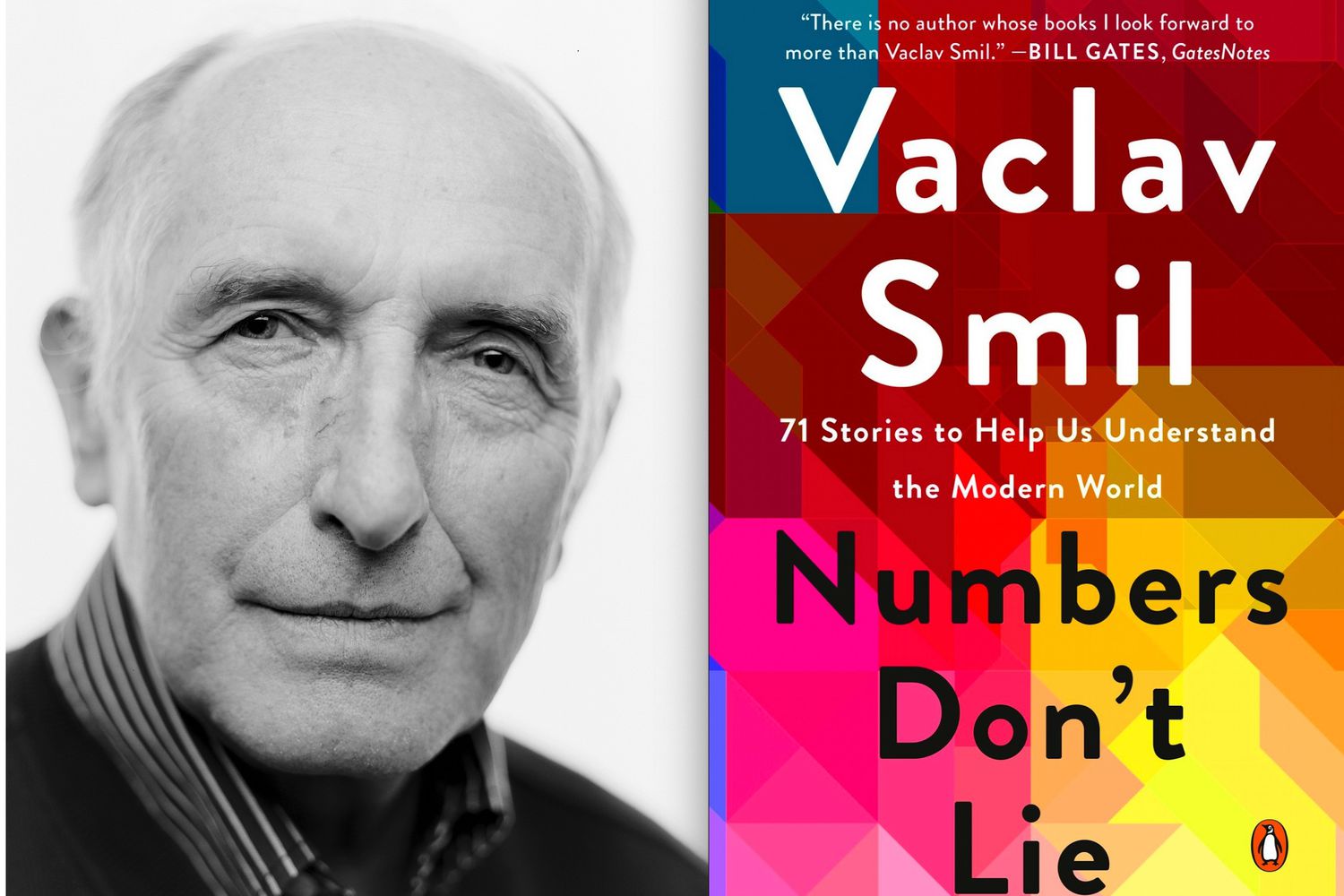
“Numbers Don’t Lie: 71 Stories to Help Us Understand the Modern World” by Vaclav Smil is a collection of essays that use numerical data to explore various aspects of the modern world and human civilization. Here are the key takeaways from the book:
- Data-Driven Analysis: Smil employs a data-driven approach to examine complex issues facing modern society. By using numbers and statistics, he provides objective insights into topics ranging from energy consumption to economic development.
- Interdisciplinary Perspectives: The book covers a wide range of topics, including energy, technology, health, agriculture, and the environment. Smil draws on insights from multiple disciplines, including economics, engineering, and sociology, to provide a comprehensive understanding of each subject.
- Global Challenges: Smil addresses some of the most pressing global challenges of our time, such as climate change, population growth, and resource depletion. He highlights the importance of understanding the scale and magnitude of these challenges in order to develop effective solutions.
- Historical Context: Throughout the book, Smil provides historical context to help readers understand how various trends and phenomena have evolved over time. This historical perspective allows readers to see how past events have shaped the modern world.
- Energy Transition: Energy is a recurring theme in the book, with Smil examining the history of energy use, the challenges of transitioning to renewable sources, and the implications for global development and sustainability.
- Urbanization and Infrastructure: Smil explores the trends and implications of urbanization, including the growth of megacities and the need for sustainable infrastructure to support growing populations.
- Technological Innovation: The book discusses the role of technological innovation in driving economic growth and improving quality of life. Smil examines the impact of inventions such as the internet, smartphones, and medical advancements on society.
- Environmental Impact: Smil addresses the environmental consequences of human activity, including pollution, deforestation, and habitat loss. He emphasizes the importance of sustainable practices to mitigate these impacts.
- Health and Well-Being: Smil analyzes trends in global health and well-being, including improvements in life expectancy, disease prevalence, and access to healthcare. He also discusses emerging health challenges, such as obesity and mental health disorders.
- Policy Implications: Throughout the book, Smil explores the policy implications of various trends and phenomena, highlighting the need for evidence-based decision-making and proactive measures to address pressing global issues.
Overall, “Numbers Don’t Lie” provides readers with a data-driven perspective on the modern world, offering insights into the complex interplay of social, economic, environmental, and technological factors shaping human civilization. Smil’s essays challenge readers to think critically about the world around them and consider the implications of numerical data for future generations.