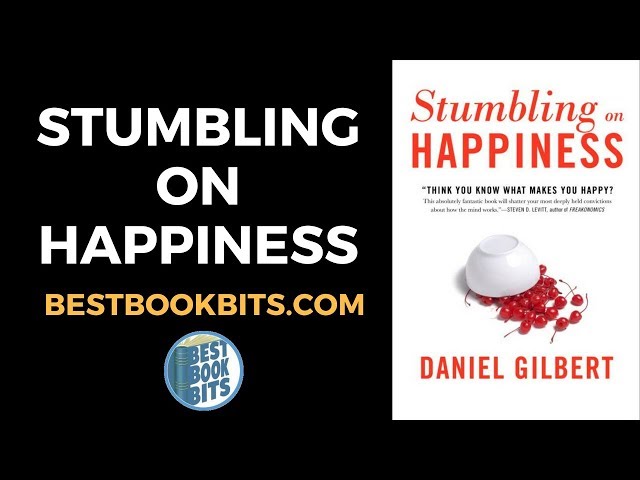
“Stumbling on Happiness” by Daniel Gilbert explores the science of happiness and why people often struggle to predict what will make them happy in the future. Here are the key takeaways from the book:
- Impact Bias: People tend to overestimate the impact of future events on their happiness. The impact bias is the tendency to believe that both positive and negative events will have a more significant and lasting effect on our emotional state than they actually do.
- Presentism: Gilbert introduces the concept of “presentism,” the idea that people have difficulty imagining and valuing future states accurately. This can lead to decision-making that does not align with long-term happiness.
- Focalism: Focalism refers to the tendency to focus too much on a single aspect of an event when predicting future emotions. This narrow focus can lead to inaccurate predictions about the overall emotional impact of an experience.
- Imagination vs. Reality: The book explores how imagination often fails to accurately predict emotional reactions to future events. People may believe they know how they will feel in a particular situation, but the reality may differ significantly.
- Synthetic Happiness: Gilbert discusses the concept of “synthetic happiness,” emphasizing our capacity to create happiness even when our circumstances are not ideal. He argues that people have a remarkable ability to adapt to circumstances and find joy in unexpected ways.
- Adaptation: Humans have a remarkable ability to adapt to both positive and negative changes in life. This adaptability can influence our overall happiness, as we tend to return to a baseline level of contentment after significant life events.
- Impact of Choices: Gilbert explores how the choices we make, especially those related to relationships and career, can impact our happiness. He highlights that people often make choices that deviate from what will genuinely bring them happiness.
- Social Comparison: The book discusses the role of social comparison in shaping our happiness. Comparing ourselves to others can impact our perception of our own well-being, sometimes leading to feelings of inadequacy or dissatisfaction.
- The Experience of Time: Gilbert delves into the psychology of time perception and how individuals often misjudge the impact of time on their emotions, both in the past and the future.
- The Pursuit of Happiness: “Stumbling on Happiness” challenges conventional wisdom about the pursuit of happiness and suggests that people’s understanding of what will make them happy is often flawed. Gilbert encourages readers to approach the quest for happiness with a more nuanced understanding of human psychology.
Overall, “Stumbling on Happiness” provides insights into the complexities of human happiness, the challenges in predicting our future emotional states, and the ways in which our minds often lead us astray in our pursuit of well-being.